MIM 17-4 PH
कस्टम पार्ट्स के लिए MIM 17-4 PH स्टेनलेस स्टील
17-4 PH MIM का अवलोकन
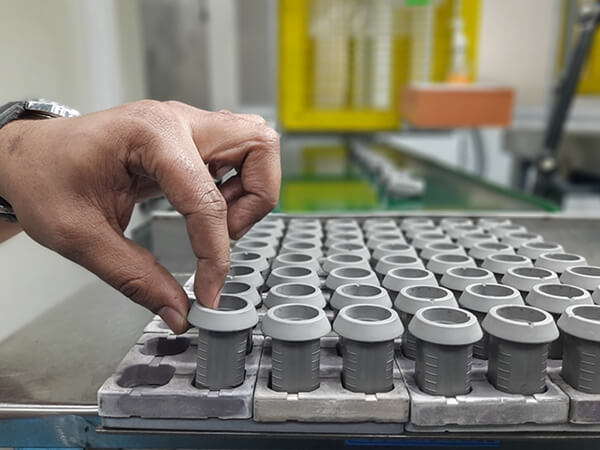
MIM 17-4 PH MIM 17-4 PH एक precipitation-hardening stainless steel route है, जिसका उपयोग छोटे metal injection molded parts के लिए किया जाता है जिन्हें strength, stainless behavior, heat-treatment response और molded detail की जरूरत होती है। व्यावहारिक RFQ समस्या सही 17-4 PH heat-treatment condition, machining allowance, surface finish और inspection plan चुनना है, वह भी production tooling release करने से पहले। Buyers को RFQ package confirm करने से पहले संबंधित stainless steel 17-4 PH MIM material guidance भी review करना चाहिए।
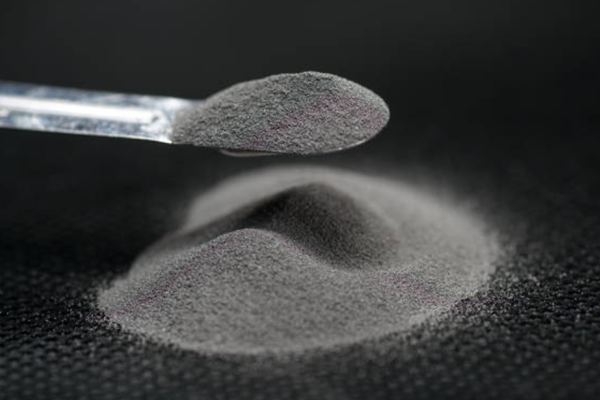
17-4 PH को Alloy 630, Type 630 या UNS S17400 के रूप में भी पहचाना जाता है। केवल alloy name quotation के लिए पर्याप्त नहीं है, क्योंकि powder chemistry, molding, debinding, sintering, density, aging condition, machining, passivation और drawing acceptance criteria मिलकर final part condition तय करते हैं।
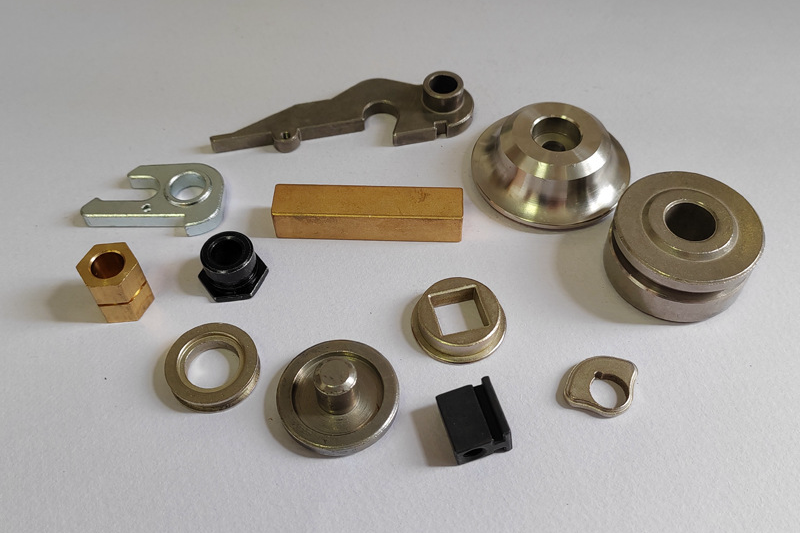
Neway MIM 17-4 PH parts को एक complete manufacturing route के रूप में review करता है। सामान्य projects में compact gears, latches, hinges, levers, power-tool hardware, brackets, instrument components और small housings शामिल होते हैं।
MIM 17-4 PH का संक्षिप्त सार
Planning Item | MIM 17-4 PH Reference Information |
|---|---|
Designations | 17-4 PH, 17-4PH, Alloy 630, Type 630, UNS S17400 |
Material family | Martensitic precipitation-hardening stainless steel |
Best MIM fit | Small complex repeat-production parts with ribs, bosses, slots, bores, gear forms, levers, or compact stainless structural features |
Common final conditions | As-sintered, solution-treated where specified, H900, H1025, H1075, H1150, or another approved aging condition |
Representative density | Approximately 7.50 g/cm3 in published MIM supplier data; actual acceptance follows approved feedstock and qualification |
Common secondary operations | CNC machining, reaming, tapping, sizing, grinding, polishing, passivation, coating, hardness testing, CMM inspection, gauge checks, and first article reporting |
RFQ risk | Heat-treatment condition, shrinkage correction, long-span distortion, critical datums, thread strategy, gear inspection, corrosion exposure, and final supply condition |
Download PDF: MIM 17-4 PH Datasheet
17-4 PH metal injection molding में क्यों अच्छा fit है
17-4 PH MIM के लिए तब अच्छा fit होता है जब part छोटा, detailed और repeat production के लिए हो। MIM ribs, slots, bosses, curved surfaces, teeth, pockets और compact arms बना सकता है, जिन्हें अन्यथा कई CNC setups की जरूरत पड़ सकती है।
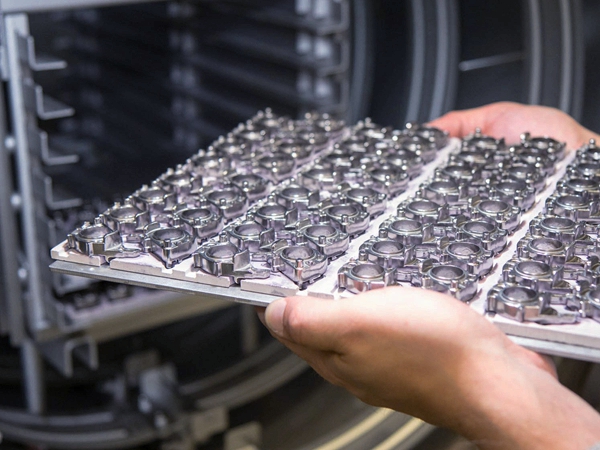
Engineering कारण powder forming और heat treatment का संयोजन है। Green part debind और sinter होता है, फिर H900, H1025 या H1150 जैसी aging conditions required strength और hardness develop करती हैं।
RFQ में buyer को part function, annual volume, final heat-treatment condition, corrosion exposure, wear surface, critical dimensions और inspection evidence बताना चाहिए।
MIM 17-4 PH की chemical composition
नीचे दिए गए ranges planning reference values हैं। Final acceptance customer drawing, purchase specification, approved feedstock certificate और qualification data पर आधारित होनी चाहिए।
Element | Typical Reference Range, wt.% | Material Role | RFQ Note |
|---|---|---|---|
Iron (Fe) | Balance | Base alloy matrix | Controlled by the approved powder and feedstock route |
Chromium (Cr) | 15.0-17.5 | Supports stainless corrosion and oxidation resistance | State the corrosion environment and passivation requirement |
Nickel (Ni) | 3.0-5.0 | Supports phase balance, toughness, and heat-treatment response | Finished properties depend on the selected condition |
Copper (Cu) | 3.0-5.0 | Contributes to precipitation hardening | Important for strength development during aging |
Niobium (Nb) | 0.15-0.45 | Supports precipitation behavior and alloy stabilization | Confirm against the approved feedstock certificate |
Carbon (C) | 0.07 max. | Affects carbide behavior, hardness, and processing control | Confirm when corrosion and heat-treatment behavior are critical |
MIM 17-4 PH की representative properties
Mechanical properties feedstock, sintered density, geometry, heat treatment और test method पर निर्भर करती हैं। ये values planning और comparison के लिए हैं, final acceptance limits नहीं।
Condition | Ultimate Tensile Strength | 0.2% Yield Strength | Elongation | Hardness | Density | RFQ Meaning |
|---|---|---|---|---|---|---|
Representative as-sintered condition | Approx. 900 MPa | Approx. 730 MPa | Approx. 7% | 35 HRC max. | Approx. 7.50 g/cm3 | Useful for early screening, but drawing acceptance still needs a stated final condition |
Representative H900 condition | Approx. 1220 MPa | Approx. 1100 MPa | Approx. 7% | Approx. 35-40 HRC | Approx. 7.50 g/cm3 | Often reviewed when high strength and hardness matter more than maximum toughness |
Heat-treatment condition का चयन
Strength और hardness के लिए H900
H900 तब select किया जाता है जब high strength और higher hardness मुख्य priority हों। Compact gears, drive parts और lock hardware में इसका उपयोग हो सकता है, यदि toughness और dimensional movement को review किया गया हो।
Balanced strength के लिए H1025 और H1075
H1025 और H1075 तब उपयोगी starting points हैं जब structural strength, fit और toughness एक साथ important हों।
Toughness और stability के लिए H1150
H1150 कुछ hardness कम करके बेहतर toughness दे सकता है, जो vibration, impact या stress-sensitive service में उपयोगी हो सकता है।
MIM 17-4 PH parts के design notes
Wall thickness और section changes
Balanced wall thickness molding, debinding और sintering को stable बनाता है। Abrupt section changes distortion, sink या uneven shrinkage का risk बढ़ा सकते हैं।
Shrinkage और tooling correction
MIM tooling sintering shrinkage को compensate करने के लिए oversize बनाया जाता है। Correction feedstock, geometry, gate position और furnace loading पर depend करती है।
Features जिन्हें machining चाहिए
Threads, precision bores, bearing seats, sealing faces, mounting pads और datums को अक्सर post-sinter machining की जरूरत होती है।
Heat treatment और dimensional movement
Thin arms, long spans और asymmetric sections aging के दौरान move कर सकते हैं; कुछ parts को fixtures, sizing या final machining चाहिए।
Surface finish और passivation
Passivation, polishing, blasting, coating और cleaning actual service environment के अनुसार choose होने चाहिए।
MIM 17-4 PH कहाँ fit होता है और कहाँ नहीं
Buyer Priority | Material or Process to Review First | Reason for the Decision |
|---|---|---|
Balanced strength, stainless behavior, and compact complex geometry | Good fit for small structural stainless parts with molded details and selected machined features | |
Chloride corrosion resistance and cleanliness are more important than strength | 316L is often the better corrosion-focused starting point for stainless MIM parts | |
Sliding wear and high hardness dominate the design | A hardenable wear-focused stainless grade may be more appropriate than 17-4 PH |
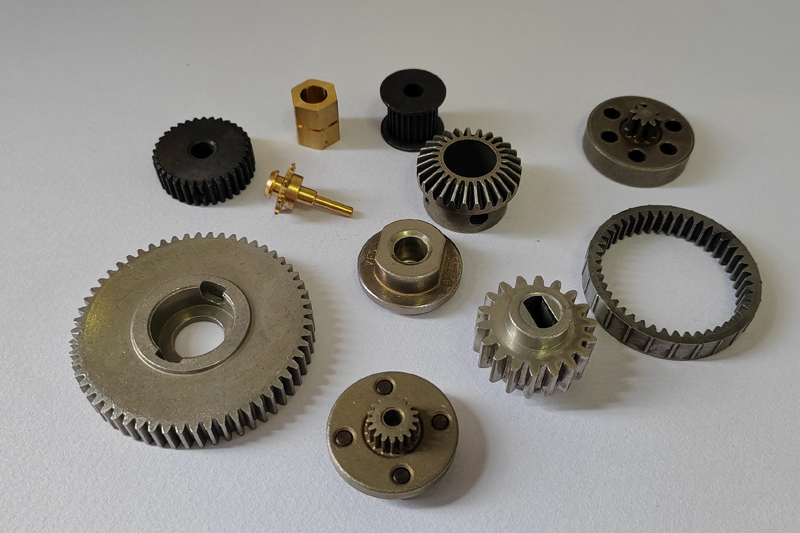
17-4 PH gears और drive parts
Compact gears, ring gears, pinions, couplings और drive hardware typical MIM 17-4 PH discussions हैं, जब molded tooth geometry और heat-treated stainless structure दोनों चाहिए।
Gear RFQ में torque, tooth contact, runout, mating material, lubrication, hardness और inspection method को साथ में define करना चाहिए।
MIM 17-4 PH की typical applications
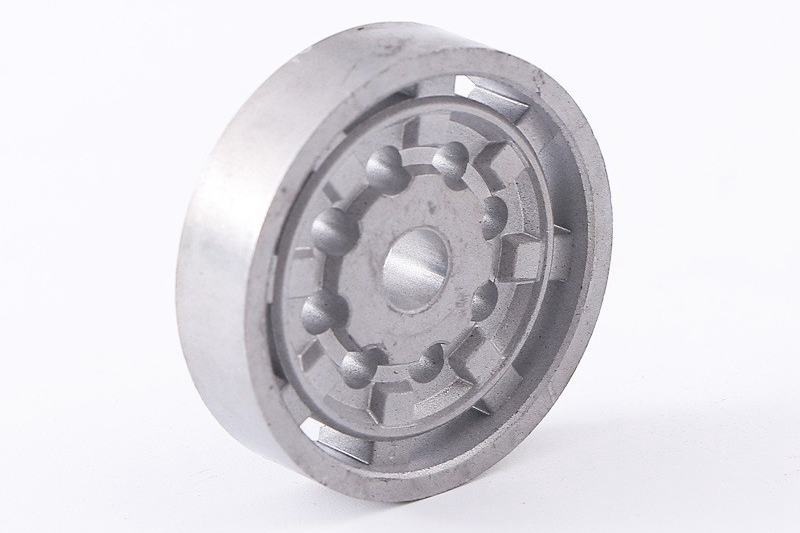
Structural, lock और instrument hardware
Latches, hinges, lock parts, levers, brackets और compact housings molded detail और heat-treated strength से benefit लेते हैं।
Instrument या clean-service hardware के लिए buyer को burr control, passivation, cleaning, packaging, documentation और functional testing specify करना चाहिए।
Compact loaded parts के लिए H900 17-4 PH
H900 MIM 17-4 PH तब discuss होता है जब strength और hardness central requirements हों।
Higher hardness sharp corners, thin arms, impact, corrosion या strict flatness जैसी सभी design problems को solve नहीं करती।
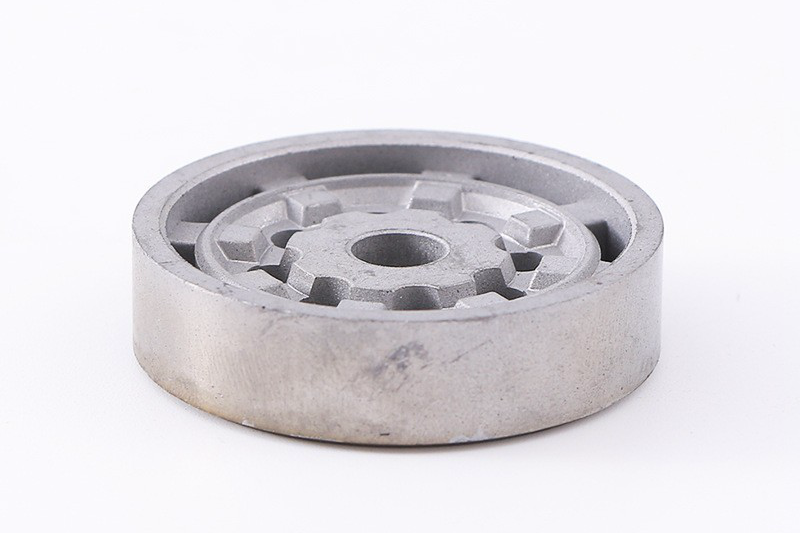
Wear और strength decision के लिए material comparison
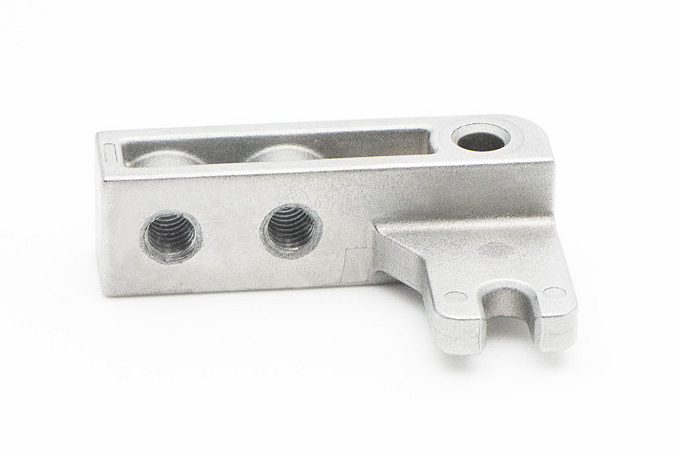
440C को पहले कब review करना चाहिए
17-4 PH हर hardenable stainless steel का automatic replacement नहीं है। यदि sliding wear, edge retention या high hardness dominant requirement है, तो MIM 440C को पहले review करना चाहिए।
Buyer को strength requirements और wear requirements अलग-अलग define करनी चाहिए, ताकि grade, heat-treatment condition, finish और inspection plan सही चुने जा सकें।
MIM 17-4 PH के लिए Neway production और inspection
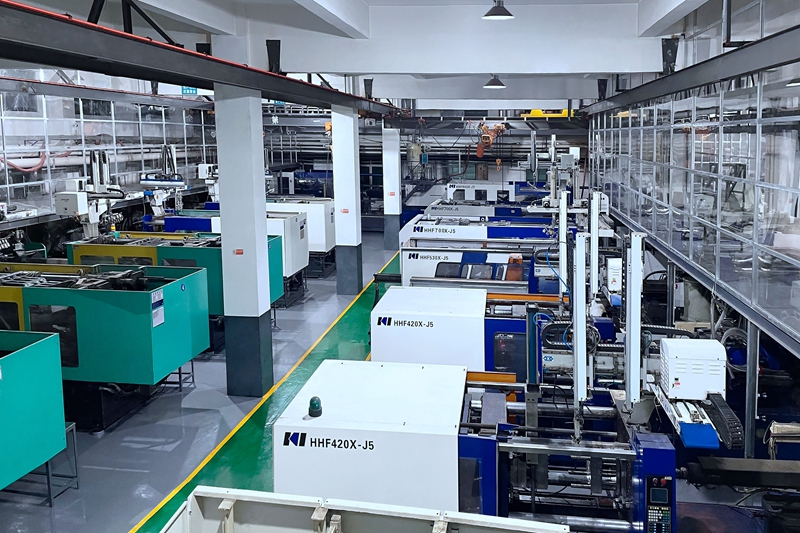
Neway DFM से final inspection तक MIM 17-4 PH parts review करता है, जिसमें wall thickness, gate, parting line, shrinkage, sintering support, machining allowance, heat treatment और finish शामिल हैं।
First articles molded geometry confirm करते हैं और tool correction या secondary operation की जरूरत identify करते हैं। Repeat production में हर critical feature को defined inspection method से जोड़ा जाता है।
Material certificate and lot traceability
Density and hardness checks
Heat-treatment records
CMM or optical dimensional reports
Pin, thread, and gear gauge results
Passivation or finish inspection
MIM 17-4 PH parts के लिए RFQ checklist
Useful quotation के लिए complete drawing package और part function की clear description चाहिए। कृपया शामिल करें:
2D drawing और 3D CAD model
Required material designation और final heat-treatment condition
Annual volume, batch size और project stage
Load, wear, impact, corrosion और operating-temperature information
Critical dimensions, datums, functional surfaces और tolerance notes
Threads, gears, bores, sealing faces और mating-part information
Surface finish, passivation, coating और visual requirements
Inspection records और report format
इन data के साथ Neway decide कर सकता है कि MIM 17-4 PH, MIM 316L, MIM 440C, CNC machining या कोई अन्य route पहले review करना चाहिए।
अपने MIM 17-4 PH part के लिए material और DFM review request करें
Related MIM materials
Specialty Alloys
Related FAQs
OEM metal injection molding services में कौन से stainless steel grades commonly use होते हैं?
Stainless steel parts metal injection molding के लिए अच्छे fit क्यों होते हैं?
Custom stainless steel MIM parts के लिए कौन से surface finishes available हैं?
Custom stainless steel MIM parts के quote के लिए OEM buyers को क्या provide करना चाहिए?
MIM shrinkage process के दौरान tight-tolerance components कैसे control होते हैं?
Tight-tolerance MIM components के लिए कौन से quality inspection methods use होते हैं?
संबंधित ब्लॉग एक्सप्लोर करें